Horniman Circle Garden has its roots in Mumbai’s transformation from a fortified colonial port to a planned civic centre. The open circular space emerged after the dismantling of the Fort walls in the mid-19th century and was laid out to provide a formal public square framed by grand civic and commercial buildings.
Over decades the circle became a social and cultural hub, hosting public gatherings, informal concerts and later arts events. It was named to honour Benjamin Horniman, a prominent editor remembered for his outspoken support of India’s independence movement.
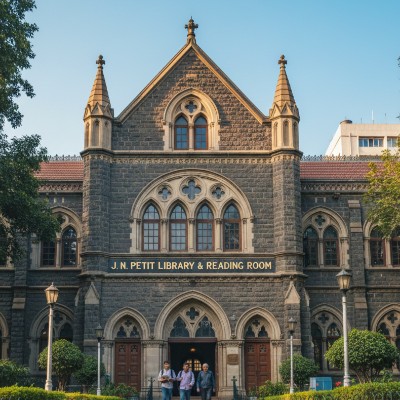
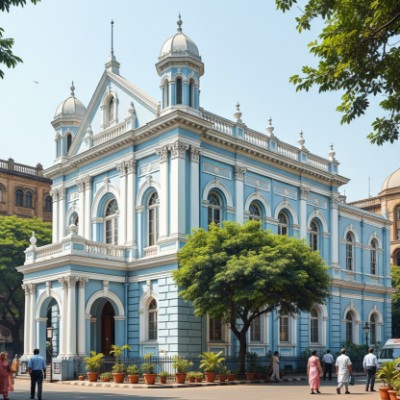
The surrounding ensemble of buildings, including the Asiatic Society and nearby St. Thomas Cathedral, strengthened the garden’s role as a heritage landmark in South Mumbai. Key historical points:
Horniman Circle Garden has its roots in Mumbai’s transformation from a fortified colonial port to a planned civic centre. The open circular space emerged after the dismantling of the Fort walls in the mid-19th century and was laid out to provide a formal public square framed by grand civic and commercial buildings.
Over decades the circle became a social and cultural hub, hosting public gatherings, informal concerts and later arts events. It was named to honour Benjamin Horniman, a prominent editor remembered for his outspoken support of India’s independence movement.
The surrounding ensemble of buildings, including the Asiatic Society and nearby St. Thomas Cathedral, strengthened the garden’s role as a heritage landmark in South Mumbai. Key historical points:
Horniman Circle Garden has its roots in Mumbai’s transformation from a fortified colonial port to a planned civic centre. The open circular space emerged after the dismantling of the Fort walls in the mid-19th century and was laid out to provide a formal public square framed by grand civic and commercial buildings.
Over decades the circle became a social and cultural hub, hosting public gatherings, informal concerts and later arts events. It was named to honour Benjamin Horniman, a prominent editor remembered for his outspoken support of India’s independence movement.
The surrounding ensemble of buildings, including the Asiatic Society and nearby St. Thomas Cathedral, strengthened the garden’s role as a heritage landmark in South Mumbai. Key historical points:
Horniman Circle Garden is one of Mumbai’s most iconic public parks, blending history with urban design. Spread across nearly 2.5 acres, the garden forms the centrepiece of the Horniman Circle precinct, surrounded by majestic colonial-era structures.
Its circular layout, tree-lined paths, and well-maintained lawns make it a preferred spot for relaxation and photography.
Key facts include:
Today, Horniman Circle Garden stands as a vibrant green landmark in the heart of South Mumbai’s Fort district. After several rounds of restoration by the Brihanmumbai Municipal Corporation (BMC), the garden is well-maintained with manicured lawns, vintage-style benches, and illuminated pathways. It remains a popular hangout for office-goers, locals, and heritage enthusiasts seeking peace amidst the city’s rush.
The area surrounding the garden is home to several prominent institutions such as the Reserve Bank of India, the Asiatic Society Library, and luxury boutiques. During the Kala Ghoda Arts Festival, the garden and its precinct come alive with art installations, performances, and cultural displays, reaffirming its place as a living part of Mumbai’s urban heritage.
Today, Horniman Circle Garden stands as a vibrant green landmark in the heart of South Mumbai’s Fort district. After several rounds of restoration by the Brihanmumbai Municipal Corporation (BMC), the garden is well-maintained with manicured lawns, vintage-style benches, and illuminated pathways. It remains a popular hangout for office-goers, locals, and heritage enthusiasts seeking peace amidst the city’s rush.
The area surrounding the garden is home to several prominent institutions such as the Reserve Bank of India, the Asiatic Society Library, and luxury boutiques. During the Kala Ghoda Arts Festival, the garden and its precinct come alive with art installations, performances, and cultural displays, reaffirming its place as a living part of Mumbai’s urban heritage.
Horniman Circle Garden can be enjoyed throughout the year, but the ideal time to visit is between November and February, when Mumbai experiences pleasant winter weather. During these months, temperatures range from 18°C to 28°C, making it comfortable for morning walks or evening strolls.
The garden looks especially charming during the Kala Ghoda Arts Festival held in February, when the surrounding precinct is decorated with lights, art installations, and cultural exhibits. Early mornings and late evenings are the best times of day to experience the peaceful ambience and heritage architecture without heavy crowds.
Horniman Circle Garden is centrally located in the Fort area of South Mumbai, making it easily accessible by multiple modes of transport.
Horniman Circle Garden is a public park open to everyone free of charge. Managed by the Brihanmumbai Municipal Corporation (BMC), it remains one of the few heritage-era gardens in Mumbai that maintain open access throughout the day.
The garden occasionally restricts access during maintenance or special events like the Kala Ghoda Arts Festival, when the area is used for art installations and performances.
Horniman Circle Garden offers an enriching mix of greenery, heritage, and urban calm right in the heart of South Mumbai. It’s ideal for travellers who wish to experience the city’s colonial charm and architectural beauty without venturing far from the business district.
Being in the bustling Fort area of Mumbai, visitors to Horniman Circle Garden can enjoy a variety of dining options ranging from heritage cafés to modern eateries. Whether you’re craving traditional Irani snacks or a fine dining experience, the surrounding lanes have something for everyone.
Must Try:
- Brun maska and Irani chai at Kyani & Co.
- Berry Pulao at Britannia & Co. Restaurant
Horniman Circle Garden is not just a green retreat but also a heritage site that reflects the city’s colonial past. The circular design, framed by old buildings and trees, creates a timeless ambience loved by photographers and heritage enthusiasts alike. The garden hosts cultural and literary events during festivals such as the Kala Ghoda Arts Festival, turning it into a hub of creativity and community gatherings.
Visitors can also enjoy early morning birdwatching or late evening strolls, as the well-maintained pathways and lighting enhance its charm. It’s one of the few places in Mumbai where modernity and history coexist so gracefully.

5, Old Market, Ramesh Nagar,
New Delhi-110015. India
travelroutes.team@gmail.com
www.travelroutes.in